
Practical Vehicle Adjustments That Reduce Night Driving Glare for Mature Motorists
Targeted cabin adjustments and glass care can mitigate up to 40 percent of nighttime visual impairment. Learn how simple tweaks restore road clarity after dark.
 Watch the broadcast
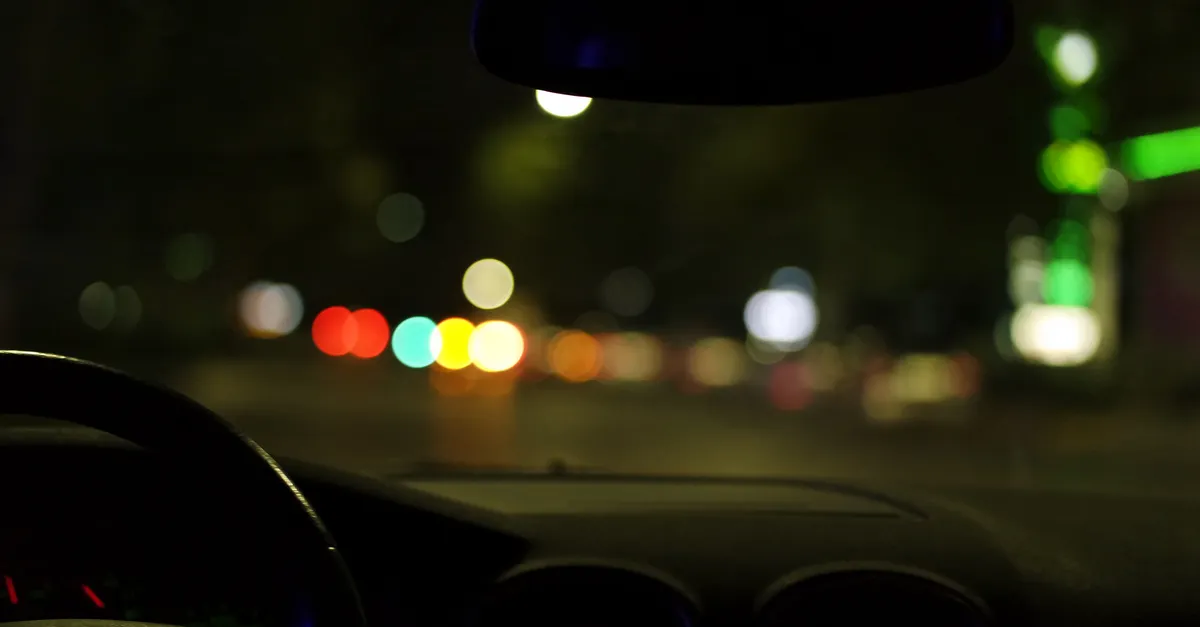
Have you found that driving at night feels significantly more uncomfortable and fatiguing than it once did? You are not imagining the difficulty. Highway safety specialists report that making simple cabin adjustments and addressing glass surfaces can mitigate up to 40 percent of nighttime visual impairment. As our eyes mature, natural optical changes make high-intensity oncoming lights and brightly lit in-car screens much harder to handle.
Taking control of your vehicle interior can dramatically improve your visual comfort. By understanding how vehicle lighting interacts with your eyes, you can immediately eliminate unnecessary road hazards and travel after dark with renewed peace of mind.
Understanding the Causes of Nighttime Glare and Visual Fatigue
Driving after twilight presents distinct biological challenges for mature motorists. The human pupil naturally dilates more slowly in low-light environments as part of the normal aging process. When your eyes encounter darkness, the pupil opens wider to gather available light. However, when an oncoming vehicle approaches with bright headlights, your eyes must instantly compress that pupil opening to block excessive brightness.
The widespread shift toward modern high-intensity light-emitting diode (LED) headlights exacerbates this challenge. These forward-facing vehicle lamps produce a distinct blue-white light spectrum that scatters sharply across the human eye. When older eyes meet these intense beams, recovery requires significantly more time, creating temporary flash blindness that leaves drivers traveling blind for critical moments. Understanding that this physiological response is normal allows drivers to implement practical countermeasures rather than avoiding nighttime trips entirely.
Source: Rest Less / NHTSA Guidelines
View as table
| Impairment Mitigation | |
|---|---|
| Console Dimming and Glass Cleaning | 40% |
Managing Cockpit Displays and Eliminating Internal Glare
While oncoming headlights outside your vehicle are difficult to control, the lighting inside your cabin is entirely within your control. Modern automobiles feature large infotainment screens, digital instrument clusters, and illuminated console buttons that project substantial amounts of light into the driver's face.
Automotive safety engineers emphasize that these bright internal displays actively reset pupil dilation. When your eyes constantly absorb high-intensity dashboard lighting, your pupils contract as if they were in a daylight environment. As a result, when you look past your steering wheel into the dark road ahead, your eyes cannot absorb sufficient ambient light to detect pedestrians, road shoulders, or debris.
To resolve this issue, lower your instrument cluster brightness to the lowest readable level. Most vehicles feature a manual dial or touchscreen slider that dims the dashboard display. Additionally, switch onboard navigation systems to their night mode setting, which replaces bright white backgrounds with soothing amber or red tones. These warmer colors minimize pupil disruption and protect your natural night vision.
| Night Driving Risk Factor | Contributing Cause | Recommended Vehicle Adjustment | Safety Benefit |
|---|---|---|---|
| Oncoming Glare Fatigue | Blue-white LED headlights | Direct gaze toward right curb line | Prevents temporary flash blindness |
| Internal Light Distraction | High-intensity instrument panels | Dim dashboard to lowest readable level | Accelerates pupil dark adaptation |
| Windscreen Scatter | Microfilm residue & dust smears | Clean glass inside-out with microfiber | Eliminates halos and streaking |
Eliminating Windshield Scatter and Film Smudges
Many motorists mistake poor nighttime visibility for worsening eyesight or developing eye conditions. Automotive analysts highlight that a major contributor to evening visual distortion is simple dirt on the windshield. Over time, plastic off-gassing from automotive cabin materials, air conditioning condensation, and airborne dust particles deposit a thin, greasy microfilm on the interior surface of the glass.
During daytime driving, this film remains virtually invisible. However, when oncoming headlights and overhead streetlights hit the dirty glass after sunset, the microfilm scatters the rays in all directions. This light dispersion creates streaking and glowing halos around light sources, mimicking the visual symptoms of early cataracts.
Wiping both the exterior and interior glass surfaces with a clean microfiber cloth eliminates this light-scattering layer. Using a glass-cleaning solution specifically formulated to dissolve oily vinyl film restores optical transparency, allowing street illumination to pass straight through without blinding flares.
Road Gaze Techniques and Ergonomic Vehicle Fitting
How you direct your eyes during travel plays an equally vital role in reducing nighttime strain. When approaching oncoming traffic equipped with glaring high-beam or blue-white LED headlights, resist the natural urge to look directly at the oncoming vehicle. Instead, intentionally guide your gaze slightly downward and toward the white fog line or right-hand curb line of your lane. By tracking this edge line with your central vision, you can maintain lane positioning while keeping the oncoming light beams in your less sensitive peripheral vision, avoiding temporary flash blindness.
Proper physical posture and mirror configuration further reduce unwanted reflections. Even a slight misalignment in your side mirrors can bounce headlights from trailing vehicles directly into your eyes.
Drivers seeking comprehensive adjustments can utilize safety resources provided by the National Highway Traffic Safety Administration (NHTSA). Through NHTSA guidelines, mature motorists can connect with certified CarFit technicians. These trained specialists assess vehicle seating positions, steering wheel distance, and mirror angles to ensure that drivers achieve maximum visibility while shielding their eyes from trailing reflections.
Headlight Maintenance: Lessons from Overseas Standards
Vehicle safety depends not only on what is happening inside your cabin, but also on the mechanical alignment of your headlights. Over years of normal driving, vibrations, road potholes, and minor bumper bumps gradually shift headlamp housings out of their factory specifications. Misaligned beams tilt upward directly into the eyes of approaching motorists rather than projecting forward onto the road surface.
Other nations place high regulatory priority on optical maintenance. In Germany, federal transport regulators require all commercial and passenger motor vehicles over ten years old to undergo biannual optical headlight alignment testing under the TÜV Inspection Standard of 2026. This mandatory check verifies that vehicle headlamps project light downward onto the pavement, preventing misaligned beams from blinding oncoming motorists on rural roadways.
American drivers can adopt this proactive approach by asking a trusted automotive technician to check headlamp optical aim during routine maintenance visits. Ensuring your own lights are correctly pointed protects fellow road users while maximizing your illumination of the roadway ahead.
Actionable Night Driving Safety Checklist
Before heading out on the road after dark, review these essential preparation steps to ensure a comfortable and safe journey:
- ☐ Dim your vehicle dashboard display to its lowest readable illumination level.
- ☐ Switch infotainment screens and navigation maps to night mode amber or red settings.
- ☐ Clean both interior and exterior windshield surfaces with a clean microfiber cloth to remove oily microfilm.
- ☐ Wipe exterior headlight lenses clean of road grime to maximize forward beam clarity.
- ☐ Direct your gaze toward the right curb line when encountering oncoming high-intensity headlights.
- ☐ Check your rearview and side mirrors to confirm they are adjusted to minimize trailing glare.
- ☐ Connect with certified CarFit technicians through NHTSA guidelines to verify seat height and mirror angles.
The guidance outlined above reflects recent highway safety findings and visibility analyses; check the latest at official sources.al vehicle fitting evaluations and driver safety programs, consult official resources at NHTSA.gov.
Sources
- Rest Less, "7 ways to make driving at night more comfortable" https://restless.co.uk/health/healthy-body/driving-at-night-tips/
- National Highway Traffic Safety Administration (NHTSA), "Older Drivers and Nighttime Visibility Guidelines" https://www.nhtsa.gov/road-safety/older-drivers
More from this edition
Story 3 of 6- Stand-Alone Medicare Part D Premiums Jump 50 Percent for 2027: How to Protect Your Budget
- Vaginal Swab Detects Endometrial Cancer: New Test Lowers Inconclusive Rate to Below 3%
- Practical Vehicle Adjustments That Reduce Night Driving Glare for Mature Motorists
- Family Caregiver Costs Surge 59 Percent to Over $11,500 Annually
- How Data Brokers Track Your Clinic Visits and Ways to Protect Mobile Privacy
- Two in Three Teens Now Rely on AI Chatbots: What Grandparents Should Know
From our sister sites

Recommended for you
This box contains affiliate links. We may earn a commission if you buy through them, at no extra cost to you.
Affiliate product space